Woodcarving of The Dreamer
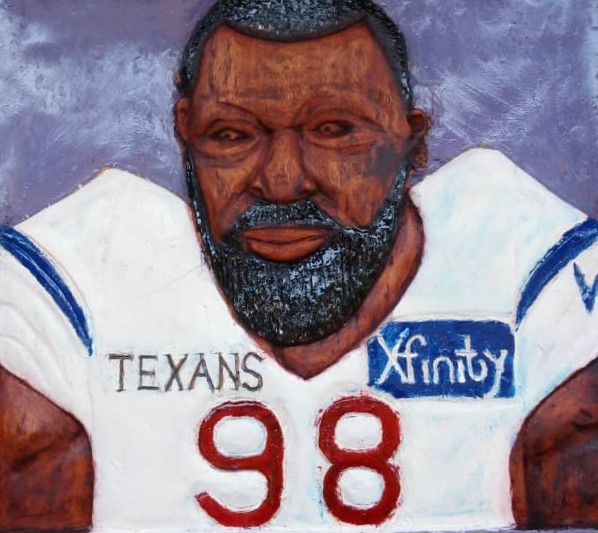

"The Dreamer" is a vibrant contemporary expression of Mr. Auzoyah Alufohai, an American professional football nose tackle, in woodcarving sculpture by Elikiba Signature Studios Limited and Elikiba.com; which had been commissioned on 24th January 2025 and delivered the masterpiece on 3rd February 2025 with specially sourced Iroko wood. Woodcarving as an art form has stood the test of time, it holds a special place in artistic expression from its humble beginnings in ancient civilizations to contemporary artists' diverse and innovative creations. Woodcarving has evolved into a captivating medium of design and expression.
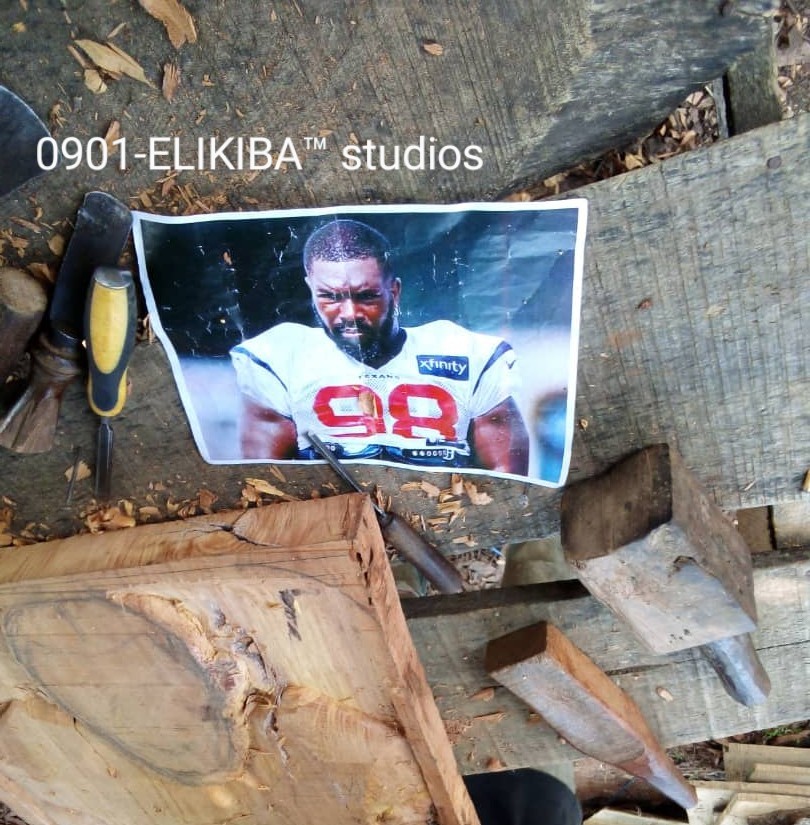
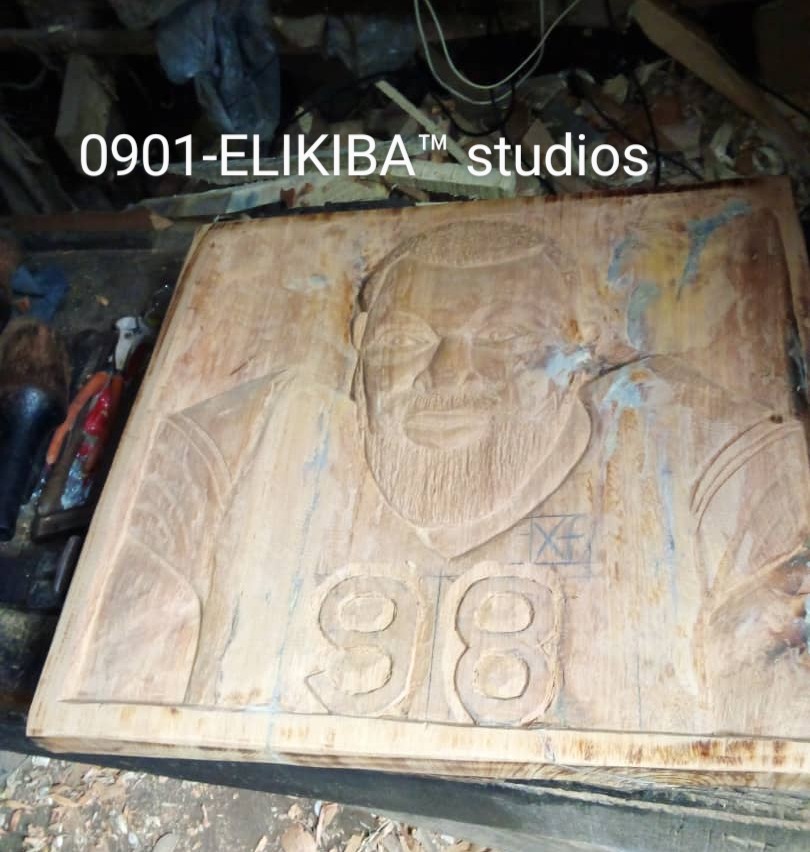
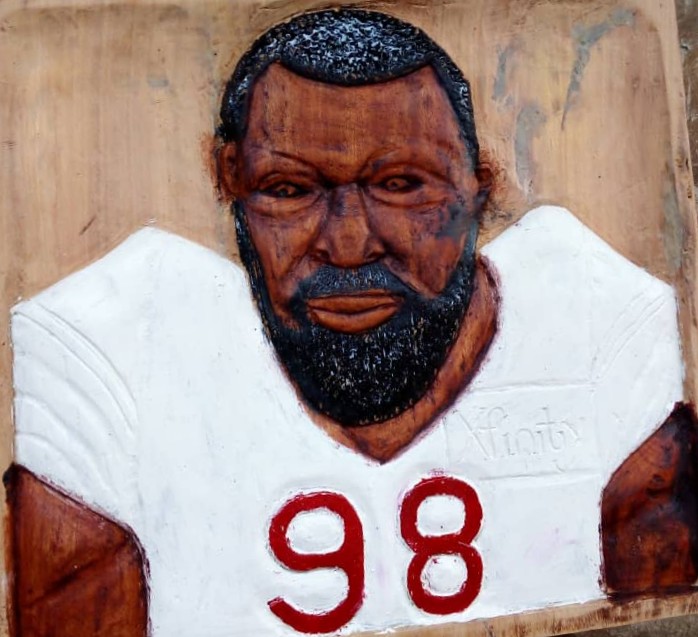

■ American professional football nose tackle, Mr. Auzoyah Alufohai
The roots of woodcarving sculpture can be traced back to ancient civilizations that harnessed the beauty and versatility of wood as a medium for artistic expression; artisans adorned furniture, tombs, and temples with intricate carvings. Woodcarving was a decorative art form and played a significant role in religious and cultural contexts, telling stories and preserving beliefs for generations. During the Renaissance era in Europe, skilled artisans carved elaborate altarpieces, choir stalls, and wooden panels, contributing to the grandeur of cathedrals and churches. The period saw an integration of woodcarving with other art forms, such as painting and architecture, resulting in stunning masterpieces that remain revered today. The ethnographical collection of woodcarvings by Northcote Thomas in 1909 from the wood and ivory carvers' guild at Igbesamwan, Benin City in pre-colonial Nigeria is a testament to the ingenious, human creativity which has continued today at Elikiba Signature Studios Limited. The Northcote Thomas Collection is in the care of the University of Cambridge’s Museum of Archaeology & Anthropology, according to the [Re:] Entanglements project led by Paul Basu at the Pitt Rivers Museum and School of Anthropology at the University of Oxford; as illustrated by the ethnographical image below.
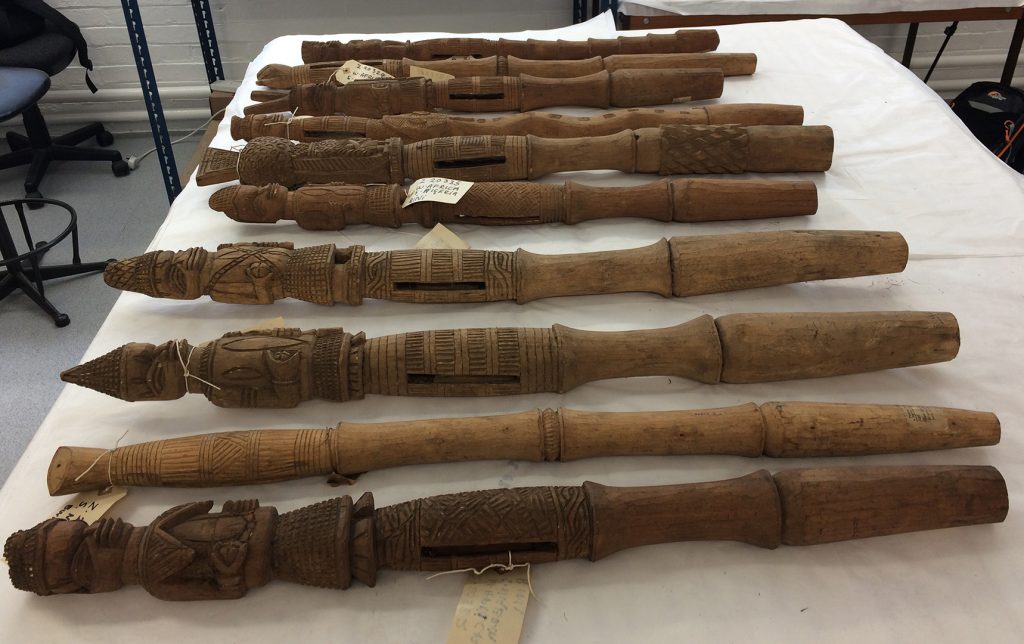
Different woodcarving techniques and styles merged as the world expanded through exploration and trade, creating a cross-cultural exchange that influenced the art form. From Africa to the Americas, indigenous communities imbued their woodcarvings with symbolism, tradition, and spiritual significance, adding another layer to the rich history of woodcarving sculpture.
In the present day, woodcarving sculpture continues to thrive, with contemporary artists blending tradition with innovation to create unique and captivating works. The availability of diverse wood types worldwide allows for texture, color, and form experimentation, giving rise to many styles and approaches. The history of woodcarving sculpture is a testament to the enduring power of human creativity and ingenuity.
